Pillow wrinkles are the creases a pillowcase presses into your cheek, temple, forehead or chest when you sleep on your side or front.
In the morning they fade within minutes or hours. Formed night after night in the same place, they can end up staying, especially as skin loses elasticity.
You can tell them by their direction. A pillow wrinkle doesn’t follow the movement of a muscle. It often runs at an angle across one cheek, or crosses the forehead on one side only. When I see a line like that in the treatment room, the first thing I ask is which side you sleep on.
Where do sleep wrinkles come from?
An expression line comes from a muscle contracting again and again: a frowning forehead, smiling eyes. A sleep wrinkle comes from pressure. Your head rests on the pillow, the cheek is squashed, the skin folds and rubs against the fabric for hours at a time.
A review published in 2016 in the Aesthetic Surgery Journal describes this mechanism. According to the Aesthetic Society press release presenting it, these wrinkles mostly form on the forehead, around the lips and on the cheeks, and they often cross expression lines rather than follow them. The authors also note that we change position about twenty times a night, and that side sleeping is the most common position, around 65% of the time in the studies they cite.
Not every study points the same way. In 2013, a US study compared the preferred sleeping side of 100 women with the more wrinkled side of their face, and found no link. So I stay cautious. Night-time pressure marks the skin, you can see it when you wake up. Whether it is enough to carve a lasting wrinkle hasn’t been properly measured yet.
What is the best sleep position to avoid pillow wrinkles?
On your back. Your face touches nothing, and the skin is neither squashed nor pulled. This is the position the authors of the 2016 review recommend.
On your side, the cheek and temple carry the weight of your head. On your front it is even more marked: the face is turned and pressed down, and the forehead and chin rub too. If you always sleep on the same side, look at both cheeks in daylight in the morning. Sometimes you can see the difference.
Changing position doesn’t happen overnight. You fall asleep on your back and wake up on your side. I suggest starting with how you fall asleep. A flatter pillow, a cushion under your knees if your lower back pulls, arms by your sides rather than a hand tucked under your cheek. If you find yourself on your side at 3am, it doesn’t matter: roll onto your back and go back to sleep.
When your back isn’t the right position
Two situations come before your skin. Sleeping on your back makes snoring more likely, and the NHS advises sleeping on your side if you snore. With sleep apnoea, side sleeping is also what it advises. If you snore or have been told you stop breathing at night, see your GP before changing anything.
During pregnancy, from 28 weeks, the NHS recommends going to sleep on your side, left or right, not on your back. The wrinkles can wait. Your midwife or doctor will tell you how to get comfortable.
Does a silk pillowcase prevent wrinkles?
A smooth pillowcase lets the skin glide instead of catching. The idea makes sense. Yet I haven’t found any published study showing that a silk or satin pillowcase reduces wrinkles. I see it as a small extra if you sleep on your side and can’t change, not as a solution.
There are also so-called anti-wrinkle pillows, shaped so your cheek doesn’t touch, for example Sleep&Glow. I tried them, because the concept holds up. Unfortunately, despite several attempts, I never got used to that shape. I’m too attached to my current pillow. So it wasn’t conclusive for me, but that’s very personal.
Whatever the fabric, change your pillowcase often. Every night it collects cream, sebum and hair.
How long do pillow creases last?
On supple skin, a pillow crease often disappears by late morning. As skin thins and loses elasticity with age, it takes longer to smooth out. How long the mark takes to fade tells you something about your skin. It is no reason to worry.
A puffy face in the morning is a different question, more to do with lymph than with the fold of a pillowcase. I cover it separately.
A mark that lasts all day, a red patch, a painful area or swelling on one side only should be shown to a doctor.
What can a facial do for sleep wrinkles?
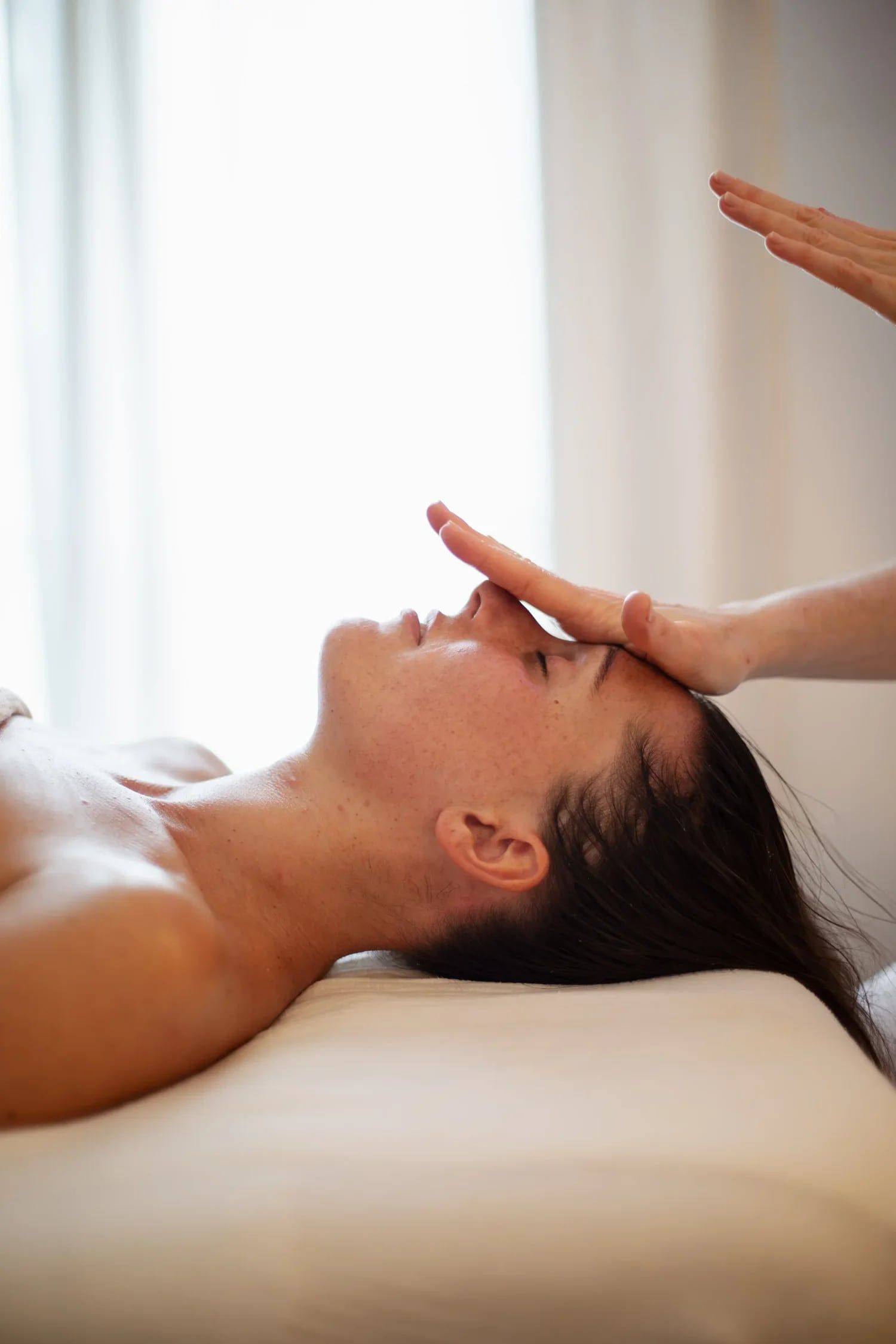
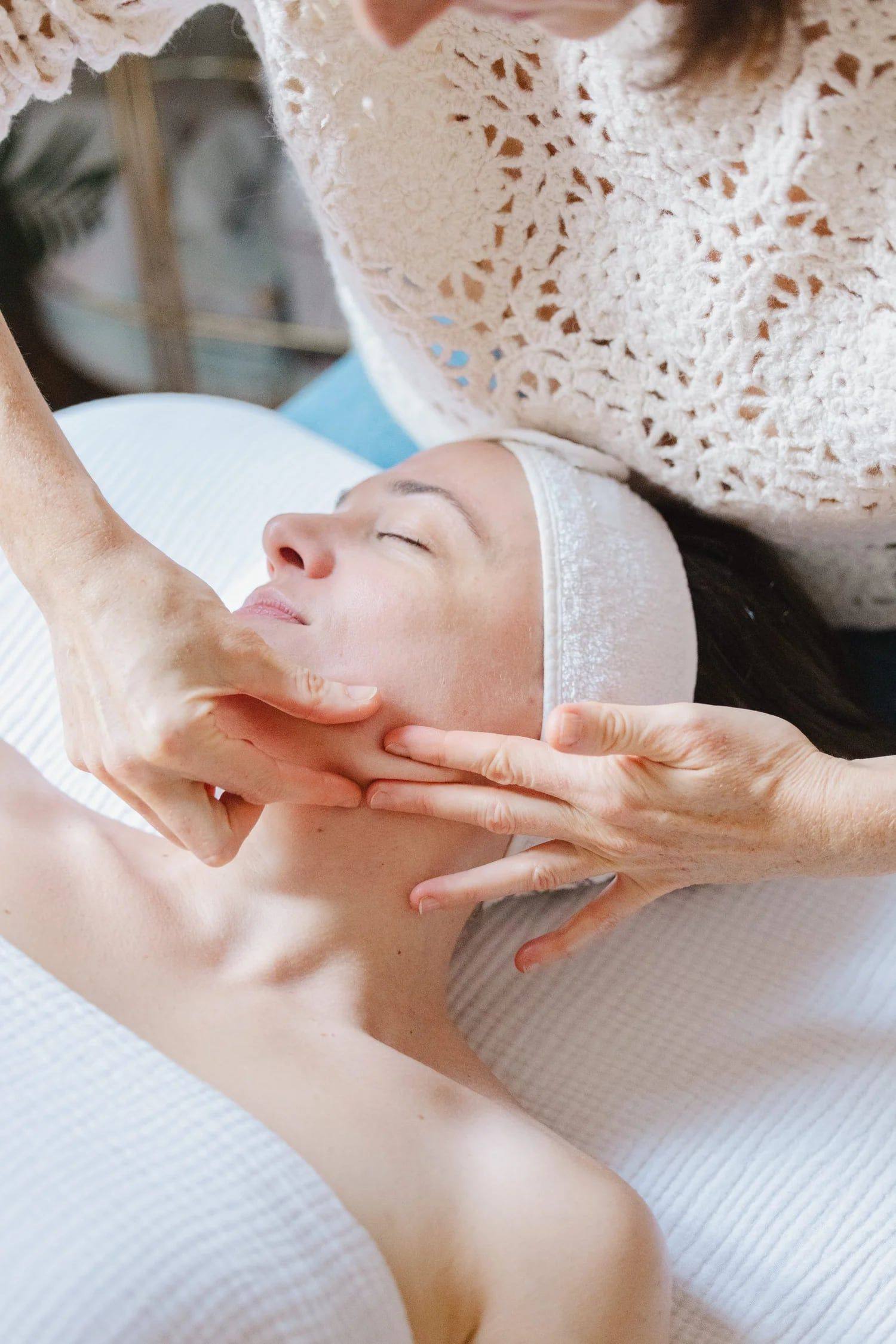
A facial won’t change the way you sleep, and it won’t erase a wrinkle that has been there for years. It relaxes your features and works the skin where the pillow presses.
During the Fresh Skin facial, I tailor the session to your skin on the day. We talk first, then I choose the techniques. Facial stretching stretches and releases the muscles of the face and neck. Kobido works the face, neck and chest with precise pressure. When skin loses firmness, often from 40 onwards, radiofrequency (Collagen Boost) can complete the facial, with a gentle warmth that stimulates the skin. According to the Aesthetic Society press release, non-invasive treatments that stimulate collagen could soften sleep wrinkles.
After the facial, I show you a face yoga or self-massage exercise to repeat at home. For results that last, I recommend a course of 5 sessions: one a week for the first three, then every two weeks, then once a month.
During pregnancy, I don’t use radiofrequency. Facial lymphatic drainage is still possible.
FAQ
What is a pillow wrinkle?
It is a crease left by the pressure of the pillow on your cheek, forehead or chest while you sleep. At first it fades during the morning, then it can settle if it always forms in the same place.
What is the best sleep position to avoid sleep wrinkles?
On your back, because your face doesn’t touch the pillow. After 28 weeks of pregnancy, or if you have sleep apnoea, side sleeping is recommended: follow your doctor’s or midwife’s advice.
Does a silk pillowcase prevent wrinkles?
It reduces friction, but no published study shows that it reduces wrinkles. It may help if you sleep on your side, but it doesn’t replace changing position.
Can a facial erase pillow wrinkles?
No. It relaxes your features and works the skin, without erasing an established wrinkle. For results that last, I recommend a course of 5 sessions.