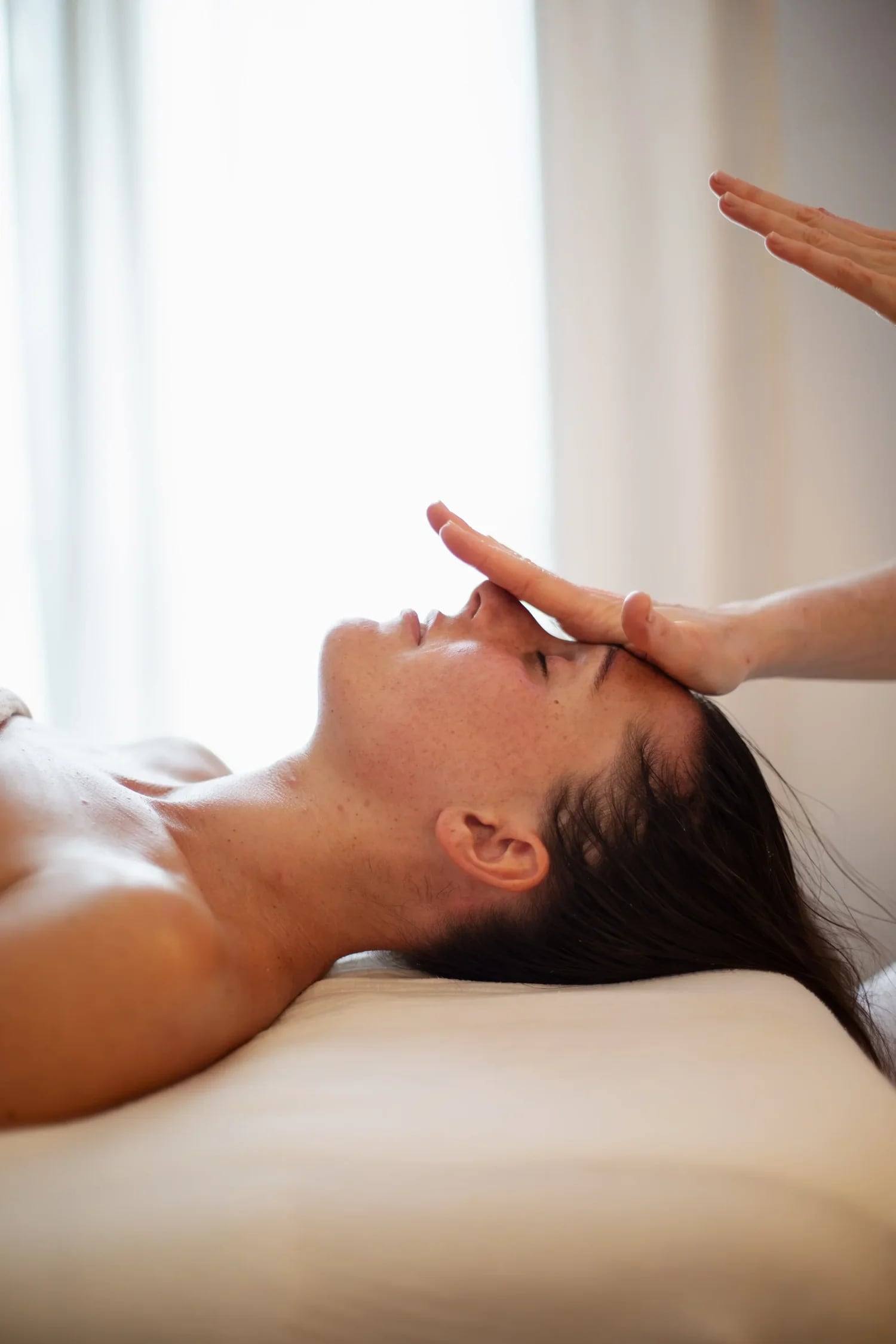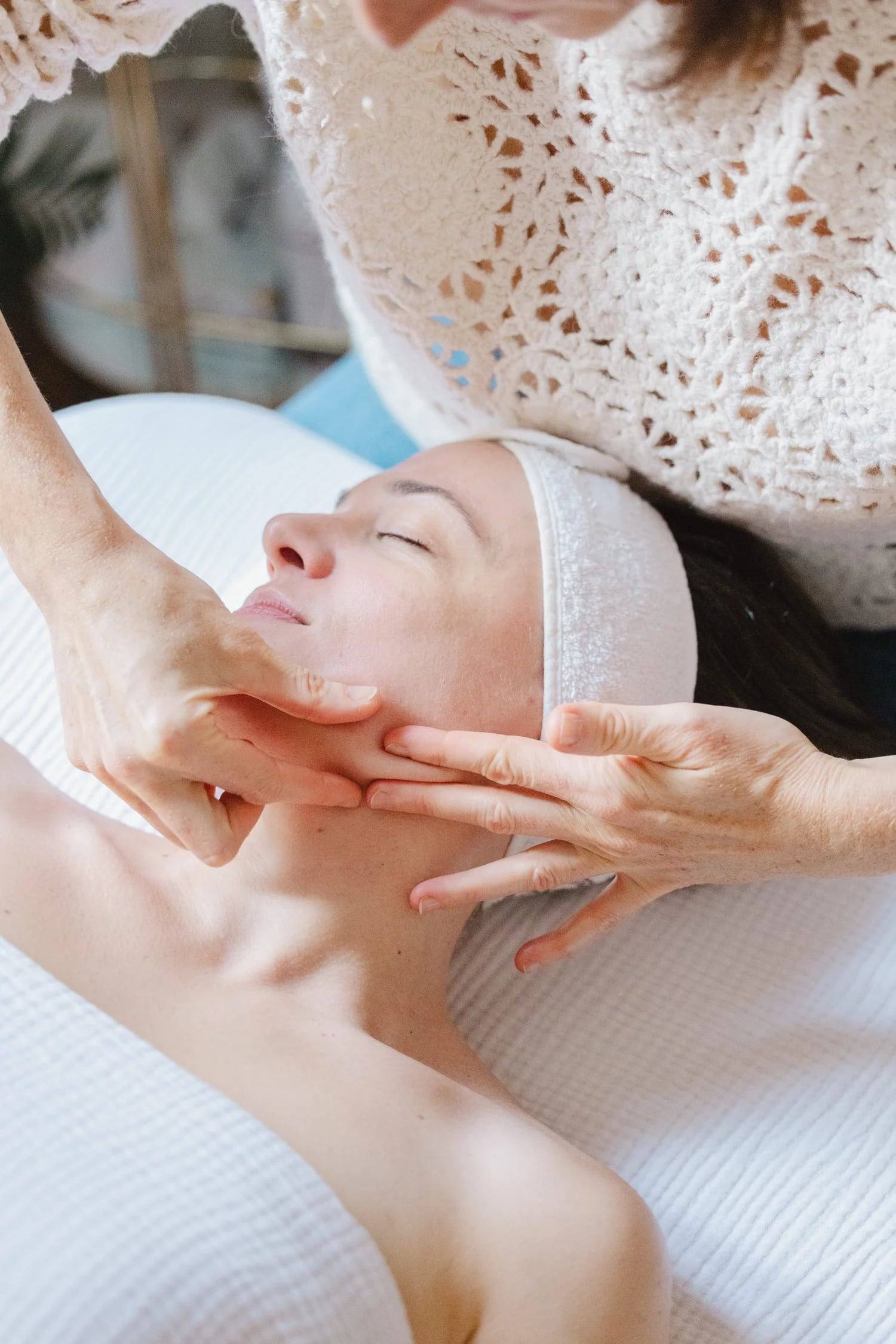
Much more than a simple massage, Kobido is an ancestral Japanese art that promises visible rejuvenation, deep relaxation, and a renewed sense of harmony.
Often described as a “natural facelift,” this sacred ritual combines refined tradition and precise techniques for timeless beauty.
Kobido: a philosophy, a history, an art
Kobido, which means “ancient way of beauty,” is an ancestral Japanese art that dates back to the 15th century. Originally designed for the samurai, it was later adopted by the Empress and the geishas for its exceptional aesthetic virtues.
The philosophy of Kobido rests on the idea that outer beauty is the reflection of inner balance. The treatment is not limited to the surface of the skin; it aims to stimulate circulation, relax the facial muscles, and rebalance the “Qi” (vital energy) for overall well-being.
The unique principles and techniques of Kobido: an art of precision
What sets Kobido apart is its complexity and the diversity of its techniques. A qualified practitioner masters a multitude of movements, combining gentleness and intensity.
- Lymphatic drainage: Gentle movements help eliminate toxins and reduce puffiness, under-eye bags, and dark circles.
- Deep muscle relaxation: Effleurage and kneading release tension in the neck, the shoulders, and the décolleté.
- Stimulation of the tissues: The heart of Kobido. Alternating rapid movements, percussion, and vibration stimulates circulation and collagen production.
- Lifting and toning: More intense movements work the facial muscles in depth to smooth wrinkles and redefine the contours of the face.
- Acupressure: Specific points are stimulated to rebalance energy
The aesthetic and holistic benefits of Kobido: a visible and inner transformation
Kobido is renowned for its spectacular results. Its benefits are both visible on the skin and felt deep within.
1. A natural anti-aging facelift By stimulating blood microcirculation and the fibroblasts, Kobido:
- Reduces wrinkles and fine lines by restoring density to the skin.
- Improves firmness and elasticity.
- Gives an even, luminous complexion.
2. Drainage and detoxification Lymphatic drainage techniques help to:
- Reduce puffiness and under-eye bags.
- Eliminate toxins for healthier skin.
3. Deep relaxation and relief from tension It is a powerful stress reliever that helps to:
- Reduce headaches linked to facial tension.
- Improve the quality of sleep through deep relaxation.
- Quiet the mind and encourage letting go.
What happens during a session?
A Kobido session generally lasts between 60 and 90 minutes. It begins with cleansing the skin, followed by the application of plant oils. The practitioner then uses their hands, their forearms, and sometimes their elbows to perform the different sequences of movements.
At the end of the session, the skin is visibly more luminous and plumped, and the features are relaxed.
FAQ
What is the difference between Kobido and a classic facial massage?
Kobido stands apart through the complexity of its movements (more than 1,000 techniques), the depth of its action on the tissues and muscles, and its holistic approach, which takes the energy meridians into account.
Who can benefit from Kobido?
It is for a wide audience: to prevent the signs of aging (from the age of 25–30), to soften established wrinkles, to restore radiance to dull skin, or for people who are stressed.
How often should you have sessions?
For lasting results, a series of 4 to 6 closely spaced sessions (1 a week or every two weeks) is often recommended. After that, a monthly or twice-monthly session is enough for maintenance.
Are the results immediate?
Yes, the effects are visible from the first session: the skin is more luminous and the features are relaxed. However, the anti-aging benefits build with regular sessions.