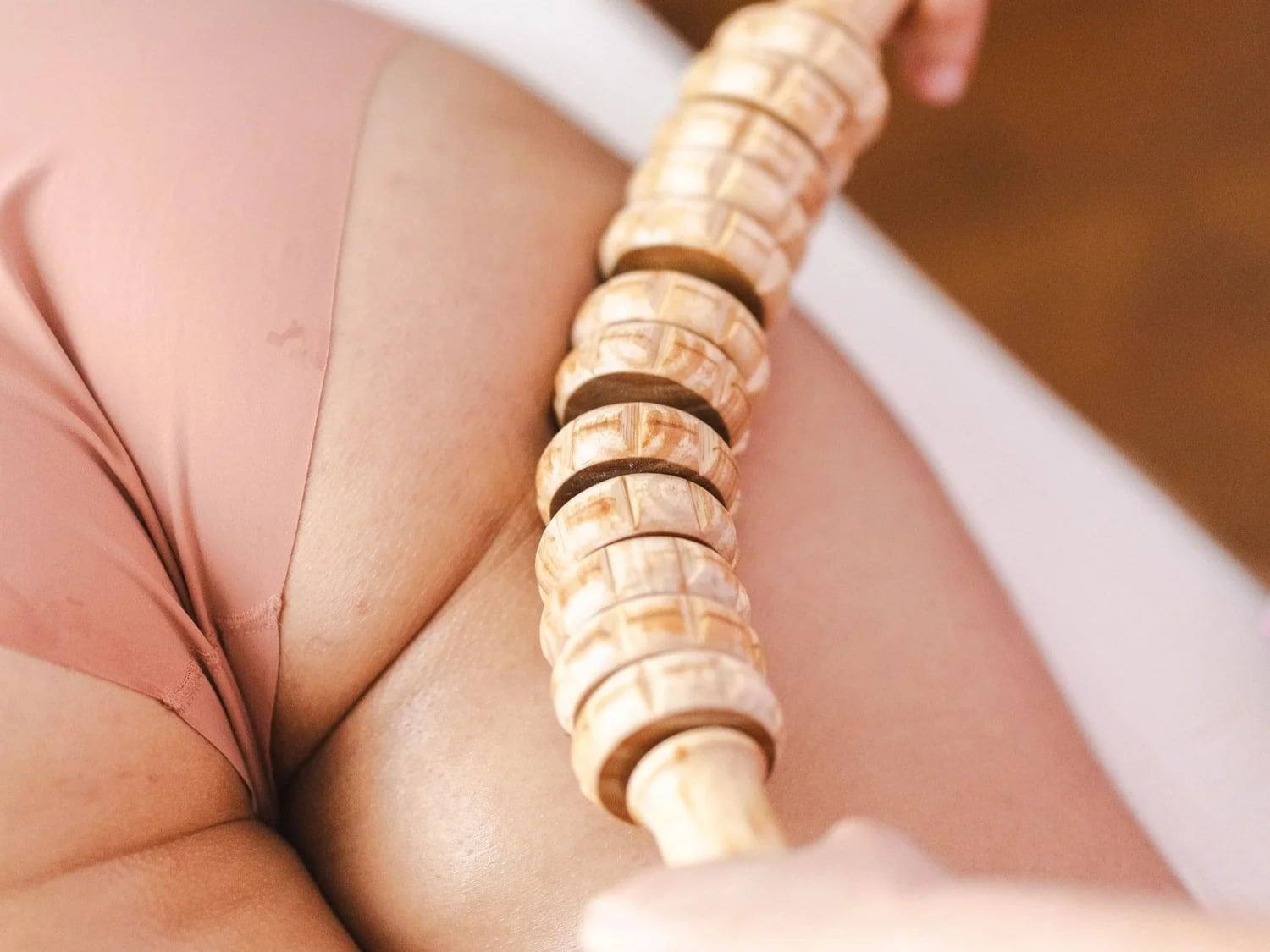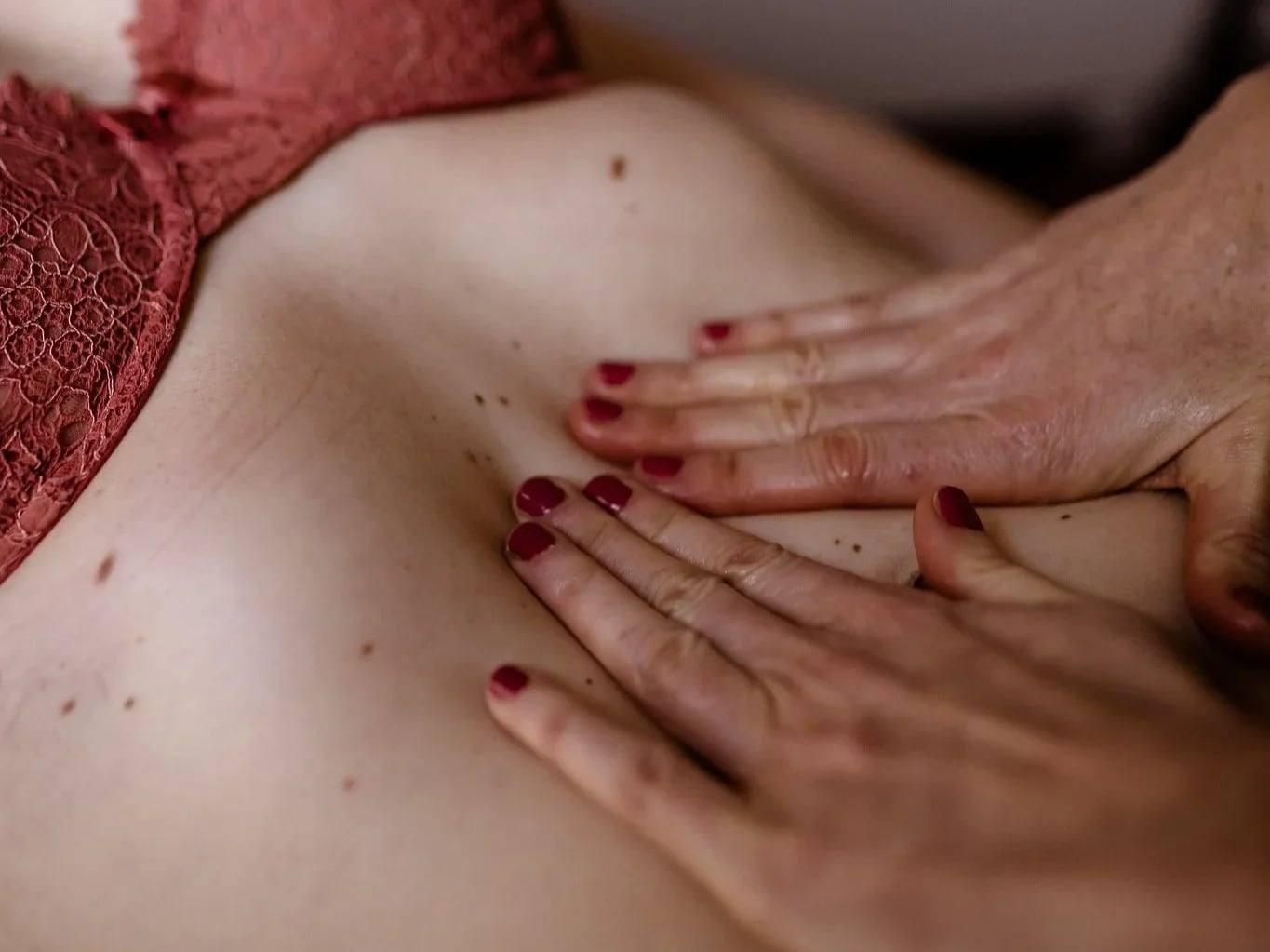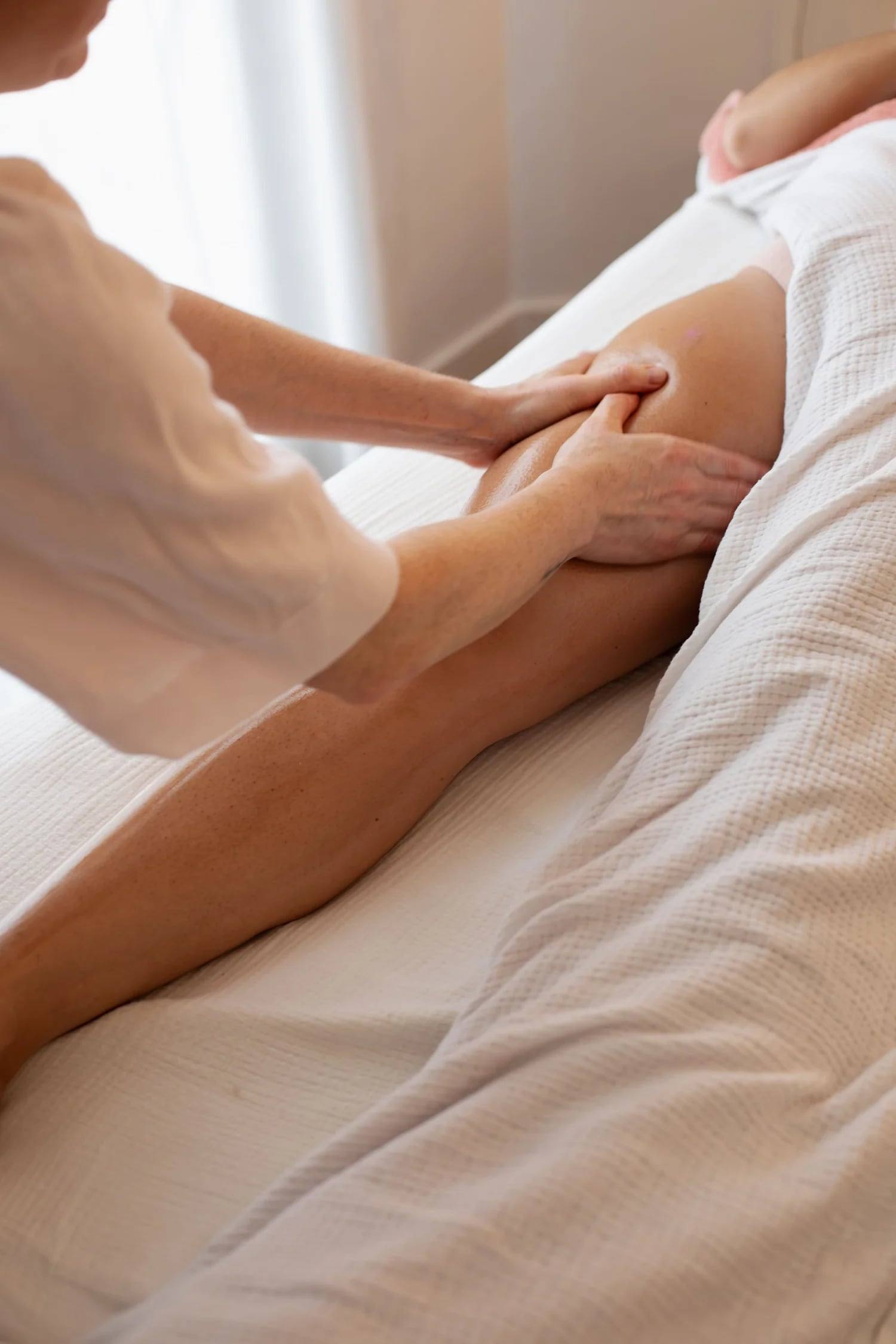
Lymphatic drainage, or lymphatic massage, is a rhythmic, gentle massage technique that stimulates the circulation of lymph in the body.
This therapeutic technique encourages the elimination of toxins, reduces water retention, and counters swelling. The results are many: lighter legs, a more refined silhouette, a strengthened immune system, and an overall feeling of well-being. This approach adapts to aesthetic needs as well as therapeutic ones, particularly to relieve edema and improve circulation.
The origins of lymphatic massage
Developed by Dr. Emil Vodder in the early 20th century, lymphatic drainage is a massage technique that stimulates the lymphatic system to encourage the elimination of the body’s waste. This system plays a crucial role in immune defense and in maintaining the balance of the body’s fluids. When it malfunctions, lymph can accumulate, causing swelling and other health problems.
The benefits include a reduction in edema and water retention and improved blood circulation. Many people feel deep relaxation after a lymphatic massage session. Making lymphatic drainage part of a personal care routine is often recommended to improve health and the body’s balance.
Lymphatic drainage techniques
Lymphatic drainage comes in two main approaches: manual lymphatic massage and mechanical techniques. Manual massage, as performed at Blush Me Tender, uses rhythmic movements that are gentle and/or deep, depending on the concern, to stimulate lymphatic circulation. Mechanical techniques, for their part, use specialized devices that reproduce these movements in an automated way, offering a practical solution for regular treatments.
How a lymphatic drainage session unfolds
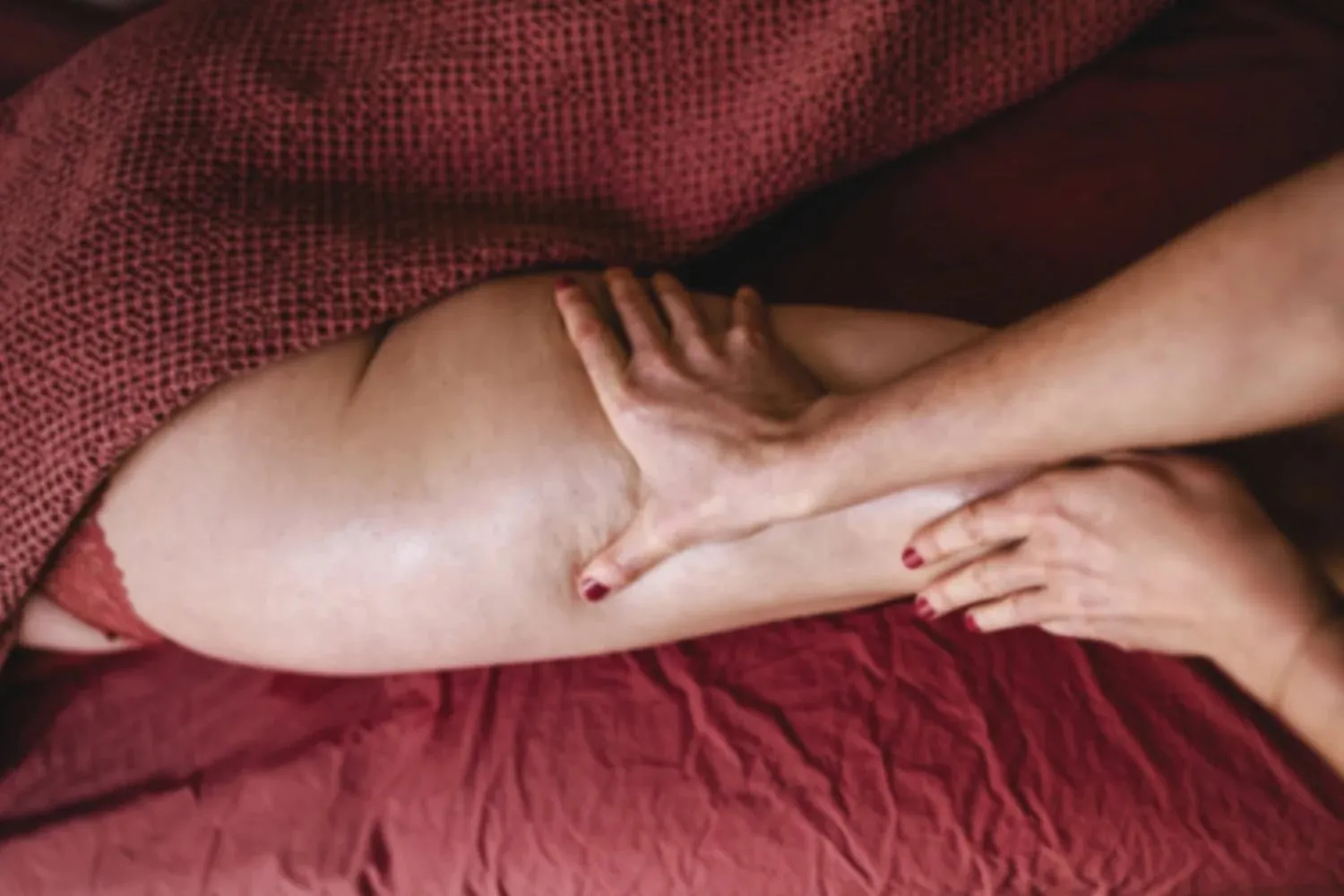
A session often begins with a consultation to assess the patient’s needs. Proper training of practitioners is essential to guarantee the effectiveness and safety of treatments. The Renata França technique, for example, is renowned for its effectiveness in drainage massage and lymphatic drainage for cellulite, particularly in countering aqueous cellulite.
Indications and contraindications
Lymphatic drainage is particularly recommended for the face, the legs, the arms, and the belly, helping to reduce swelling and improve the appearance of the skin. Lymphatic drainage is beneficial for water retention, edema, and certain circulatory disorders. It is an indispensable technique before and/or after an operation (surgery) or for treating cellulite.
However, certain contraindications must be respected. Infectious diseases, heart conditions, and thromboses require avoiding this practice. Pregnant women must consult a healthcare professional before starting. It is also advisable to avoid drainage on areas that are inflamed or that have skin lesions.
FAQ
What is lymphatic drainage for?
Lymphatic drainage stimulates the natural circulation of lymph through light manual pressure on the skin. This therapeutic technique helps eliminate toxins, reduces the feeling of heavy legs, and counters water retention. The massage also supports the proper functioning of the lymph nodes, strengthens the immune system, and improves the look of the skin for overall well-being.
How do you know if you need lymphatic drainage?
A drainage massage becomes necessary when characteristic symptoms appear: swelling around the ankles at the end of the day, feelings of heaviness in the limbs, visible water retention, persistent fatigue. The presence of cellulite, dull skin, or digestive problems are also indicators. A consultation with a professional makes it possible to assess whether the treatment is appropriate for your specific needs.
How many lymphatic drainage sessions are needed?
An initial series usually comprises 5 to 10 closely spaced massages over one month to maximize results. The first improvements appear from the first session, but a complete treatment is still recommended for lasting effects. Monthly follow-up then makes it possible to maintain the benefits gained, according to personal goals.
How often should you have lymphatic drainage?
The pace of lymphatic drainage sessions adapts to each person’s needs: once a week for regular support, two to three times a week in the case of pronounced water retention or after surgery. One session a month is then enough to preserve the gains and maintain good lymphatic circulation.
What are the effects of lymphatic drainage, and how long do they last?
Lymphatic massage brings rapid relief, with a decrease in swelling and a feeling of lightness from the first manipulation. The benefits for circulation and detoxification persist for 3 to 7 days after each treatment. The skin becomes firmer and more luminous, while muscle tension gradually eases. Regular follow-up guarantees continuous improvement in the functioning of the lymphatic system.
How do you do a lymphatic massage yourself?
Make gentle circular movements, always working from the ends of the limbs toward the main lymph nodes located at the collarbones, the armpits, the ovaries, the groin, behind the knees, and at the ankle bones. For maximum effectiveness, it is recommended to activate the nodes mentioned with light pressure from 2 or 3 fingers, rubbing, or tapping. Then begin with the legs (from the knee to the groin, from the ankles to the knee, then from the ankles to the groin).